

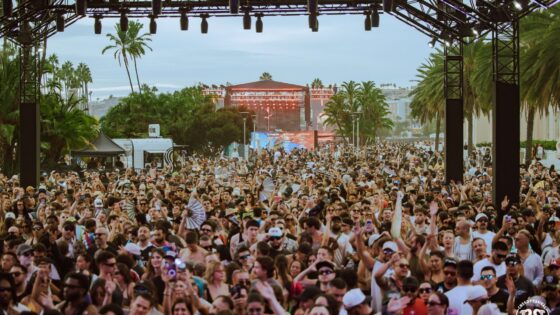


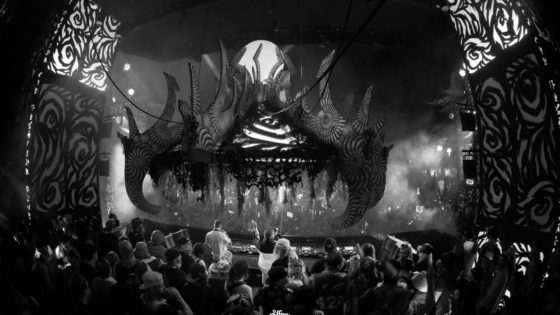
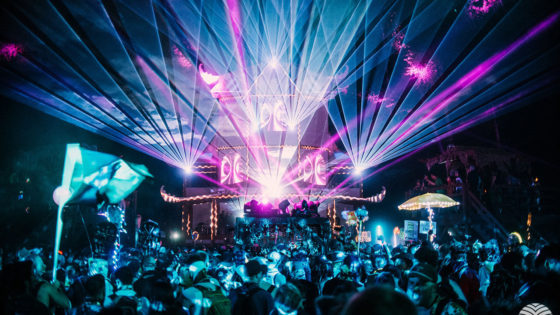
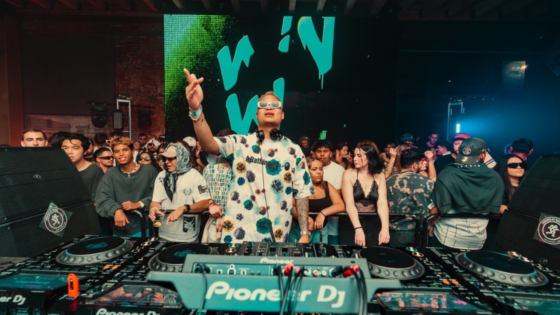
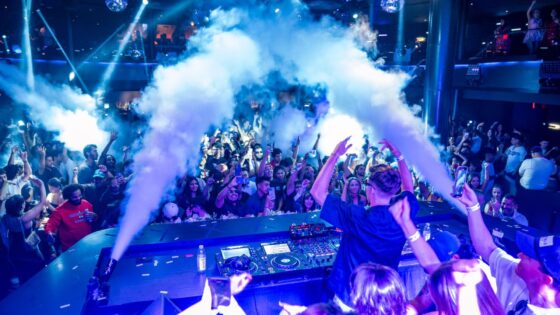




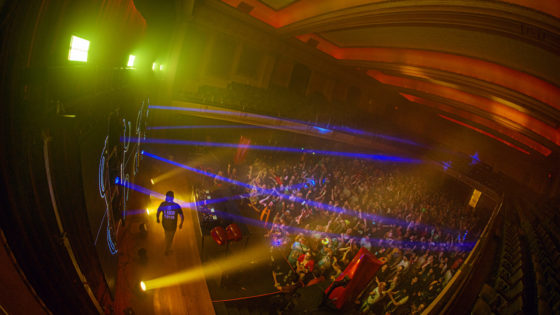

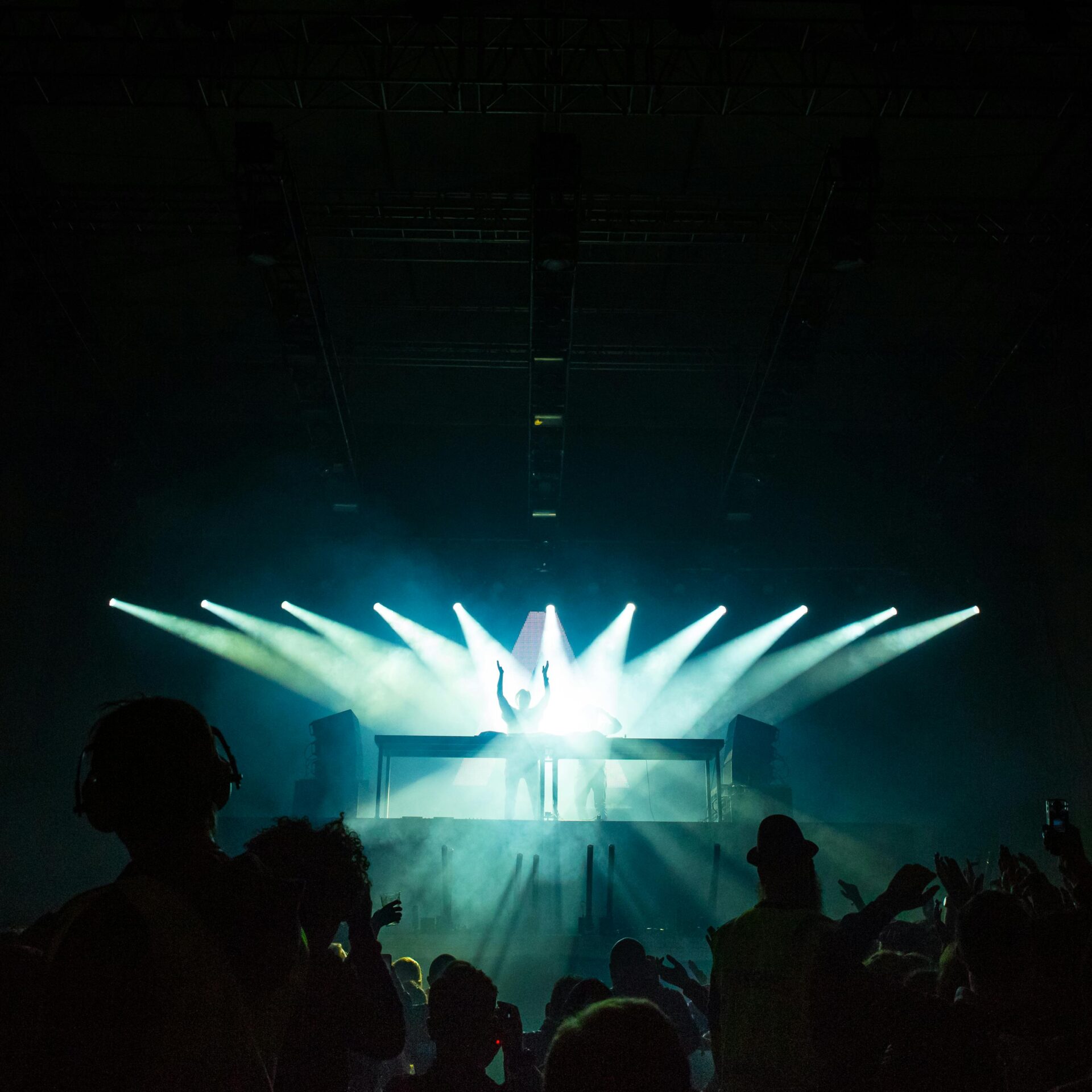

Many who explore the world of EDM quickly become hooked on the culture. Much of the raver crowd resonates deeply with experience of shows and festivals; we think of them as home away from home. But why do we feel like raves are where we belong?
There are increasing studies being done on the neuroscience behind raving. The reasons we feel so attached to our community can be linked to chemical processes within the brain. It’s starting to be believed that being part of such a tight-knit community can actually increase our states of consciousness.
We did some digging and found some substantial research into how ravers are healing through harmonies in a 2017 study published in the International Journal of Transpersonal Studies.
Psychoactivity without substance
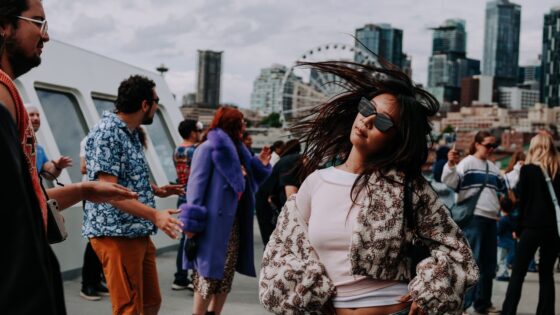
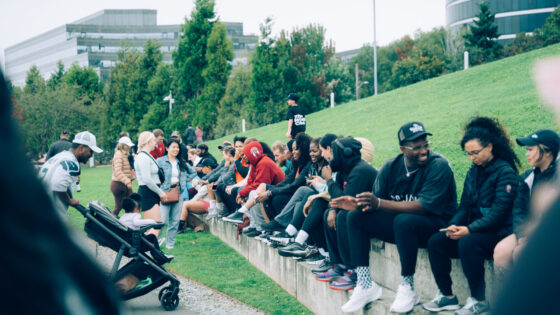
It’s showing more and more that raves can be transformative experiences, even when sober. The social connection seems to be the stand out factor amongst what brings us the most joy. People of all walks of life, from places all over the world come together to create lifelong memories together.
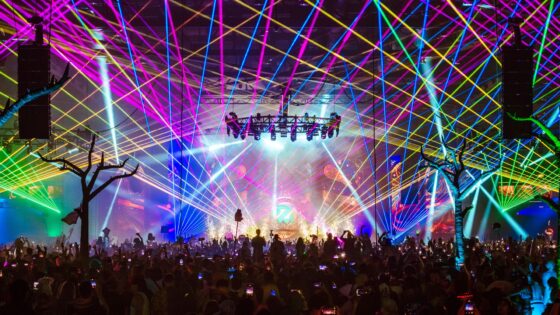
The connection we feel while gathering in one beautiful place stimulates the parts of our brains that produce oxytocin and dopamine. We’re overcome with love for strangers and welcome them into our circles with open arms. Connecting with people that have similar mindsets triggers our flow of serotonin, oxytocin and dopamine.
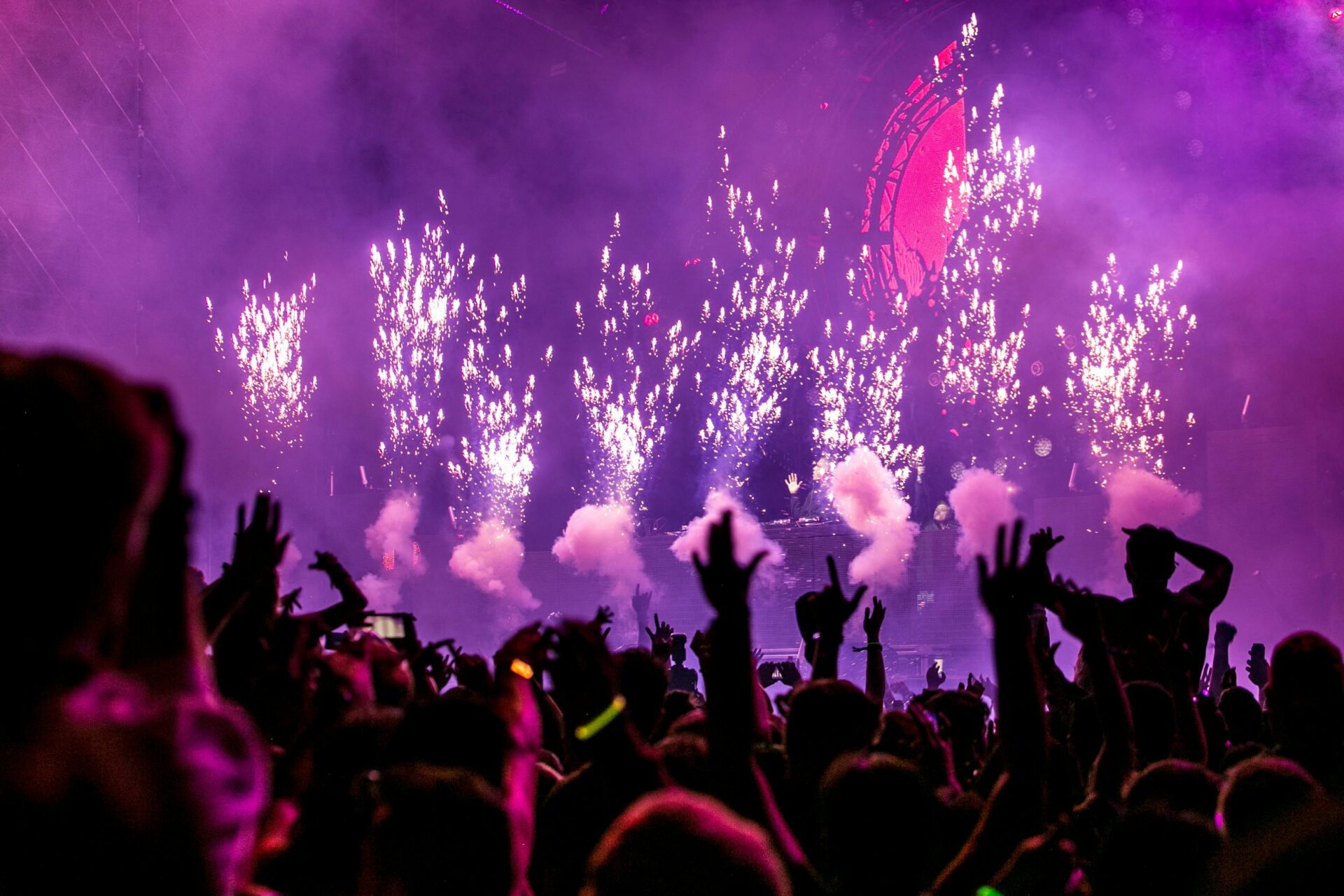
Photo Credit: Pexels
Healing on the dance floor
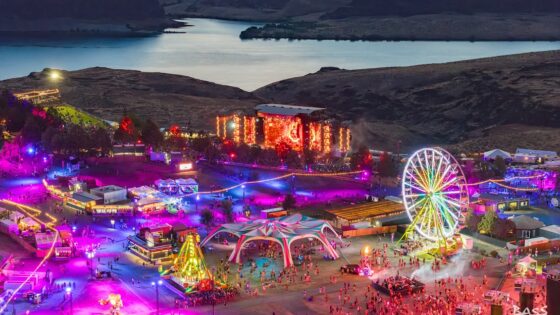
Electronic dance music events are often stereotyped as spaces defined by substance use. Yet research in transpersonal psychology suggests that this narrative is incomplete and, in many cases, misleading. The 2017 study argues that EDM events can function as “modern-day rituals,” capable of supporting mental health, emotional regulation, and social connection even in the absence of drugs or alcohol.
At their core, these benefits arise not from substances, but from music, movement, community, and immersive sensory environments; all of which are well-documented contributors to psychological well-being.
Rituals have long played a role in emotional processing, stress relief, and social bonding. In traditional societies, communal rituals helped individuals cope with grief, anxiety, life transitions, and identity formation. As many modern cultures have moved away from shared ritual spaces, rates of loneliness, anxiety, and depression have risen.
In their research, the International Journal of Transpersonal Studies suggests that EDM events may act as contemporary ritual containers, offering structured, time-limited spaces where people can safely step out of daily pressures and reconnect with themselves and others in a less restrictive and judgmental way. From a mental health perspective, this matters because connection, expression, and embodiment are core protective factors against psychological distress.
Music and movement
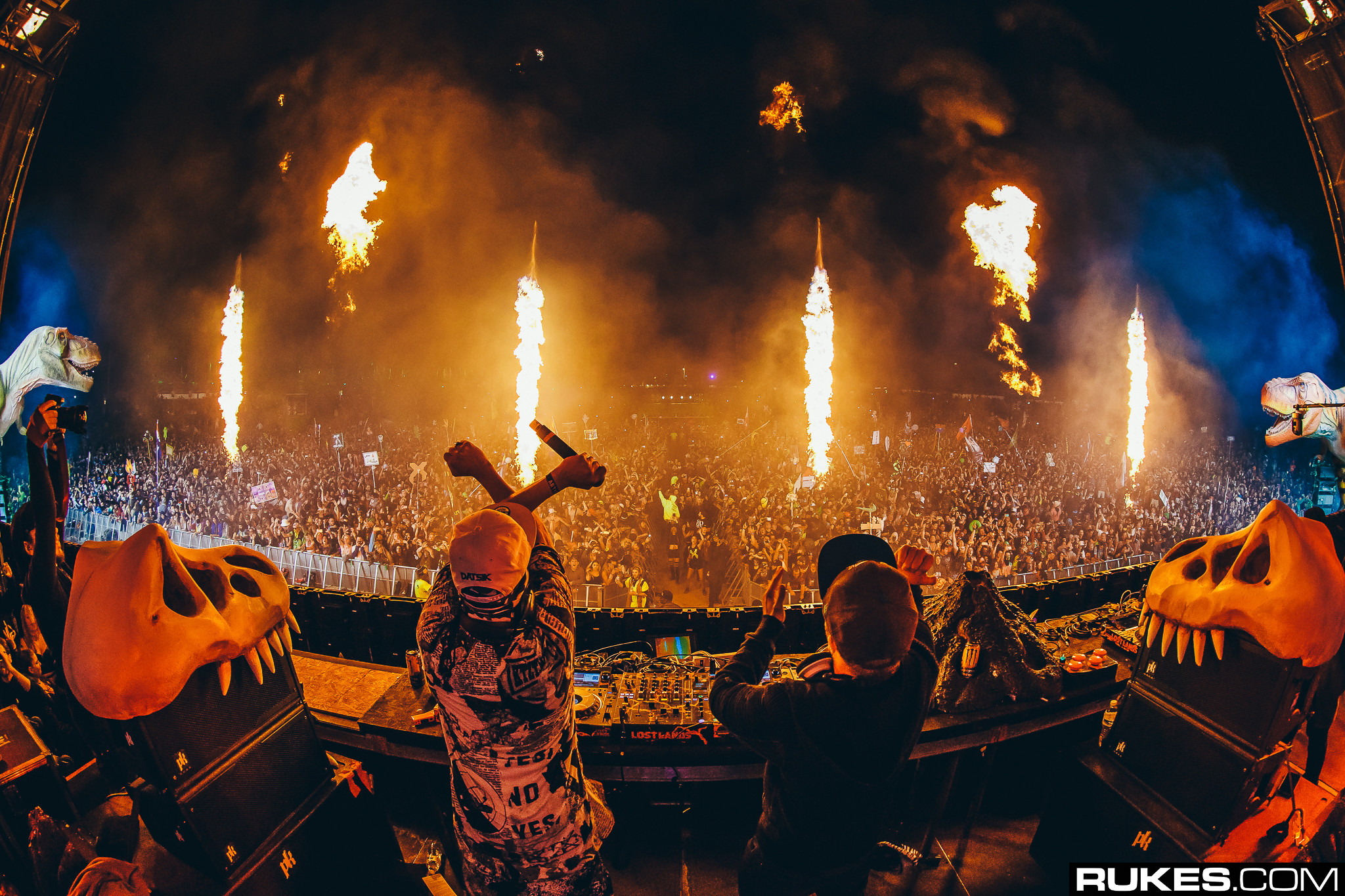
One of the most important findings implied by the study is that EDM events can induce altered and restorative states of consciousness without substances. Repetitive rhythms, steady basslines, and continuous movement could help naturally regulate the nervous system.
Research outside of EDM studies consistently shows that; rhythmic movement reduces cortisol, dancing improves mood and emotional resilience, music stimulates dopamine and endorphins and synchronizing movement with others often enhances feelings of safety and trust among groups of people.
These effects occur independently of drug or alcohol use. Many attendees report entering states of deep emotional release, joy, or calm purely through dancing, breathing, and immersion in sound. In this way, the dance floor becomes a somatic mental health tool that engages the body as a pathway to psychological regulation.
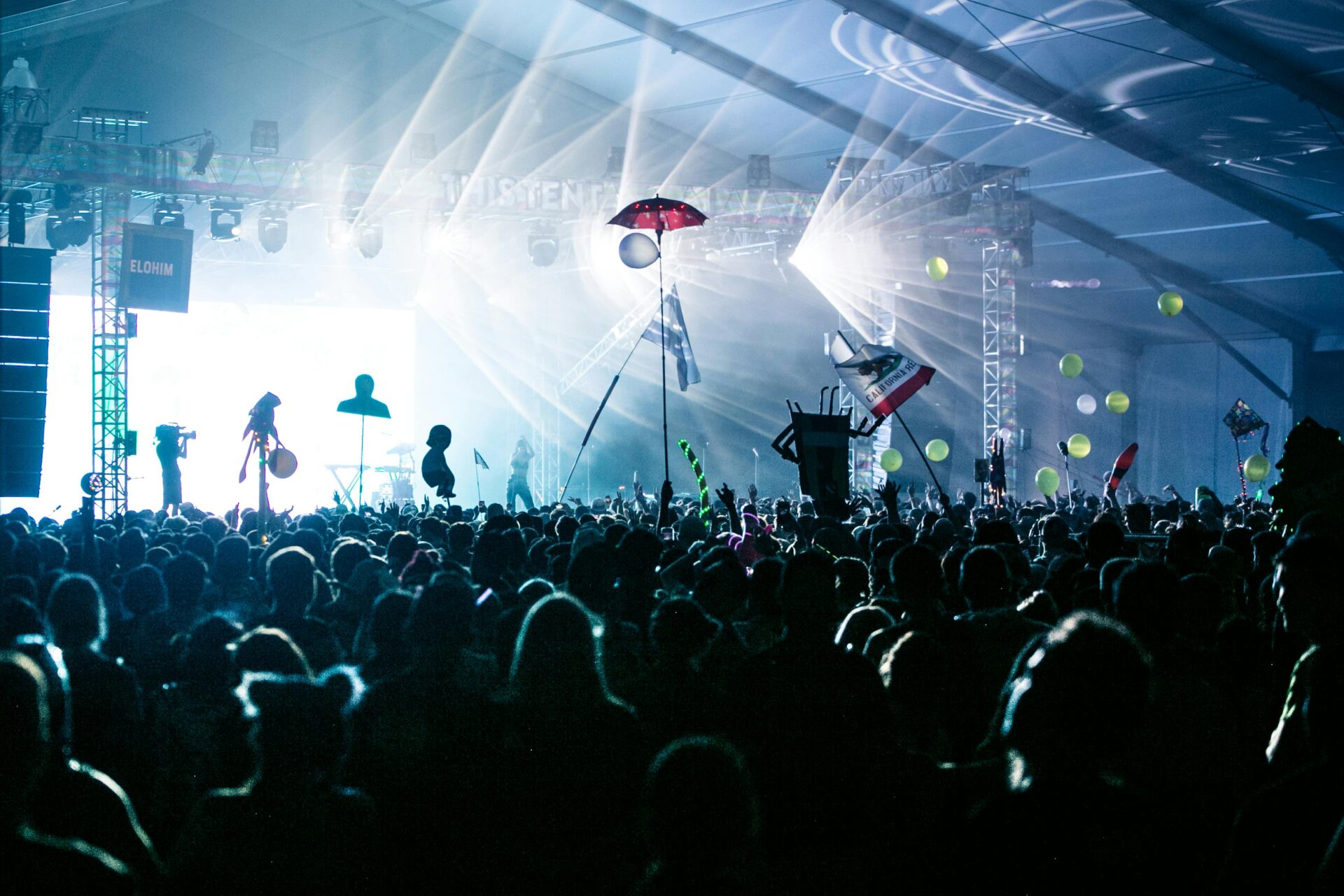
Photo Credit: Pexels
Ego softening, not escapism
The 2017 study highlights experiences often described as “ego dissolution” or “loss of self,” which are commonly attributed solely to psychedelic or stimulant use. In reality, psychology has long recognized that ego-softening states can occur through non-chemical means such as meditation, chanting, drumming, or prolonged physical activity.
At EDM events, these states may present as reduced self-criticism, temporary relief from rumination or anxiety, a sense of being “in the moment” and feeling part of something larger than oneself. From a mental health lens, this is significant. Excessive self-focus and rumination are key features of anxiety and depression. Experiences that interrupt change these patterns without chemical intervention can be deeply therapeutic.
Social connection as a natural antidepressant
Loneliness is now recognized as a major public health issue. EDM events, when approached intentionally, can counteract isolation by fostering collective belonging. The 2017 study emphasizes how shared movement and sound create emotional synchronization among participants.
Importantly, this connection does not require intoxication. Many sober or substance-free attendees report feeling accepted without social performance pressure, easier emotional expression and reduced social anxiety through shared focus on music rather than conversation. These experiences align with core principles of group therapy and community psychology, where shared experience creates healing.
A key implication of the study is that while substances may amplify certain sensations, they are not the source of the experience itself. Music, environment, intention, and social openness are the primary mechanisms. This distinction is crucial for mental health discourse.
When meaningful experiences are framed as drug-dependent, individuals who avoid substances due to health, recovery, or personal choice may feel excluded from connection and transcendence. Recognizing EDM events as substance-optional ritual spaces opens the door to sober raving, harm-reduction culture, inclusive mental health practices and reduced stigma around raving and substance use.
The study also notes that the psychological benefits of these experiences can extend beyond the event itself. Participants often report increased mood, motivation, emotional clarity, and social openness in the days following. From a mental health standpoint, the key is integration and reflecting on what was felt or learned and applying it to daily life.
Photo Credit: Pexels
A mental health resource hidden in plain sight
EDM events are not inherently therapeutic, but under the right conditions, they can support mental health in powerful, drug-free ways. At its core, the therapeutic potential of the dance floor lies in regulation, not intoxication. Repetitive rhythm organizes attention, sustained movement discharges stress held in the body, and shared presence reduces the isolation that so often fuels anxiety and depression.
As self-monitoring quiets and the nervous system settles, many experience a temporary relief from rumination and emotional constriction. In this state, connection and meaning arise organically, without chemical intervention. What remains is not escapism, but a reminder: when the mind is supported by the body and the body by community, psychological healing can begin in the most human way possible.
In a society facing rising mental health challenges, recognizing music, movement, and community as medicine may be one of the most accessible, and overlooked, interventions available.
Source:
Redfield, A., & Thouin-Savard, M. (2017). Electronic dance music events as modern-day ritual. International Journal of Transpersonal Studies, 36 (1). https://doi.org/https://doi.org/10.24972/ijts.2017.36.1.52
Important things happen in Pacific Northwest nightlife, and DMNW will send you alerts!